Garden Maintenance in Chelsea

Garden maintenance in Chelsea calls for careful, regular work that keeps planting, lawns and hard landscaping looking orderly through changing seasons. Our service focuses on practical upkeep rather than one-off tidying, with tasks shaped around the layout, planting style and pace of growth in each garden. That may include border care, pruning, mowing, weeding, leaf clearance and general presentation work that supports a neat finish without overworking the space.
We can look after beds, hedges, small trees, containers and lawn areas as part of a routine maintenance plan or an occasional visit. If your outside space needs lighter attention, we can focus on the detail work that prevents it from becoming overgrown. If it needs a fuller reset, the maintenance approach can be combined with clearance or other garden tasks from the wider service range.
To arrange the right level of work, it helps to start with the main areas that need attention and the timing you prefer. That gives a clearer brief and makes it easier to match the visit to the condition of the garden. If you are comparing options, a short outline of the work you want done is often enough to begin. Request a quotation when you are ready and we can discuss the most suitable maintenance plan.
Routine upkeep for planting and borders
Regular garden maintenance is often about consistency. Borders can quickly lose shape when weeds settle in, dead growth remains in place or seasonal plants are left unchecked. Our border care work is aimed at keeping planting areas tidy and balanced, with attention to spacing, visible edges and the general appearance of the beds. We can remove spent growth, clear unwanted self-seeders and keep pathways and edges from being swallowed by plants that spread more aggressively than intended.
H3-like support for the work can be useful when the garden contains a mix of shrubs, perennials and seasonal colour. Different plants need different treatment, so maintenance is not just about cutting everything back at once. Some areas benefit from selective pruning, while others need deadheading or careful thinning to improve shape and airflow. The aim is to protect the planting structure while keeping the garden presentable and manageable across the year.
What border maintenance can include
Depending on the condition of the garden, border maintenance may involve a blend of tasks chosen to suit the site rather than a standard fixed routine. Common work can include weed removal, edging, light pruning, deadheading, removal of fallen leaves and checking for growth that is crowding paths, walls or neighbouring plants. Where appropriate, we can also tidy ornamental grasses, lift debris from tucked-away corners and keep the whole space looking cared for rather than neglected.
Lawn mowing and seasonal grass care
Lawn mowing is one of the most visible parts of garden maintenance, but a good result depends on more than simply cutting the grass. We can manage regular mowing so the lawn stays at a suitable height for the season and the surrounding edges remain defined. In many gardens, neat edging makes as much difference as the mowing itself, especially where the lawn meets paving, flower beds or gravel areas.
Seasonal grass care can also include clearing cuttings, trimming awkward edges and dealing with patches that need more careful handling than a quick pass. If the lawn has been left longer than usual, it may need staged cutting rather than a single drastic reduction. That approach helps protect the grass and leaves the finish more even. Where the site includes steps, narrow access or awkward corners, the work can be adapted so the result is tidy across the full area.
We can also combine mowing with light general maintenance on the same visit. That is often sensible when the grass, borders and access routes all need attention at once. If your priority is presentation, a regular schedule can help keep the lawn in line with the rest of the garden. If your priority is recovery after a period of neglect, the work can be planned more cautiously and built up from there.
Hedge trimming and shaping
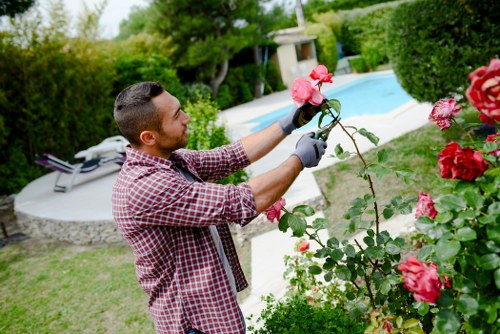
Well-managed hedges can define a garden, provide privacy and keep boundaries looking deliberate rather than untidy. Our hedge trimming service is designed to maintain shape, control spread and reduce the sort of growth that starts to overhang paths, fences or neighbouring spaces. The work can be light and regular, or more substantial where a hedge has been left to grow unevenly and needs attention to restore its outline.
Good trimming is a balance between appearance and plant health. Overcutting can leave a hedge patchy, while insufficient care allows it to become bulky and difficult to reshape later. We work with the existing form of the hedge so the result looks even and proportional. Where the hedge includes different heights or changes in density, those details can be handled carefully to keep the line consistent without forcing an unnatural finish.
In practical terms, hedge maintenance may involve clipping the sides, reducing height where appropriate, removing awkward shoots and collecting the cuttings neatly afterwards. If the hedge is close to paths, walls or planting beds, the work can be carried out with attention to the surrounding surfaces. A clear brief helps here: tell us whether you want simple tidying, defined shaping or a more substantial reduction, and we can plan accordingly.
Clearing leaves, debris and overgrowth
Garden maintenance is often needed most when a space has collected debris faster than it can be managed. Leaves, fallen twigs, spent blooms and general garden litter can make even a well-kept space look tired. We can clear these materials from lawns, borders, patios and access paths so the garden reads as one cared-for area rather than a collection of separate jobs. This is particularly useful in seasons of heavier leaf fall or after periods of strong growth.
Overgrowth can also interfere with how the garden is used. Pathways narrow, edges blur and smaller plants get lost under more vigorous growth. Our approach is to remove the material that is getting in the way while protecting the plants and structures that should remain in place. That can include cutting back encroaching growth, lifting debris from corners and restoring visibility around seating areas, steps and entrances.
If a garden needs more than routine tidying, this can be part of a broader maintenance visit or combined with other work such as lawn care or hedge trimming. In many cases, the best result comes from deciding what should be preserved, what should be reduced and what should be cleared away completely. Careful sorting makes the difference between a quick tidy and a finish that genuinely improves the whole space.
Garden maintenance plans and site-specific care

Not every garden needs the same level of attention. Some spaces are best kept under control through regular short visits, while others benefit from more occasional but thorough maintenance. We can shape the work around the type of planting, the size of the plot and the amount of visible upkeep the space needs. That allows the service to remain practical whether the garden is mainly decorative, functional or a mix of both.
For many customers, the value of a maintenance plan lies in consistency. Repeated attention helps prevent small tasks from becoming large ones and keeps the garden easier to manage overall. If a plot includes several zones, such as lawn, borders, hedging and paved areas, it can be useful to prioritise them differently rather than treating everything with the same frequency. That sort of planning keeps the work efficient and the results more even.
Some gardens also contain features that need a gentler touch, such as mature shrubs, planted containers, ornamental trees or paths bordered by delicate growth. Where that is the case, maintenance can be adjusted to suit the site. If you are deciding what level of support you need, a simple description of the areas involved is a good start. See our pricing and quotes page for the best place to begin a quotation request.
Preparing for a quotation and choosing the right scope
To prepare a useful quotation, it helps to describe the garden in practical terms. The most useful details are the main areas that need work, how often you would like maintenance carried out and whether the site includes anything that needs extra care. Photos can also help if the space is difficult to describe, especially where access is narrow or several different types of work are needed in one visit. Keep the description focused on what should be done rather than on general preferences alone.
If the garden has not been maintained for a while, it can be worth separating the immediate clean-up from the ongoing routine. That gives a clearer picture of what is needed first and what can then be kept in shape later. It also helps when comparing options, because the first visit may involve more work than a standard maintenance round. A short list of priorities is often enough to begin, especially if you know which parts of the garden are most important to keep tidy.
- List the main areas to be maintained, such as lawn, hedges, borders or paths.
- Say whether you need a one-off visit or repeat upkeep.
- Mention any access issues, narrow spaces or delicate planting.
- Note any work you want included or kept separate.
About Chelsea
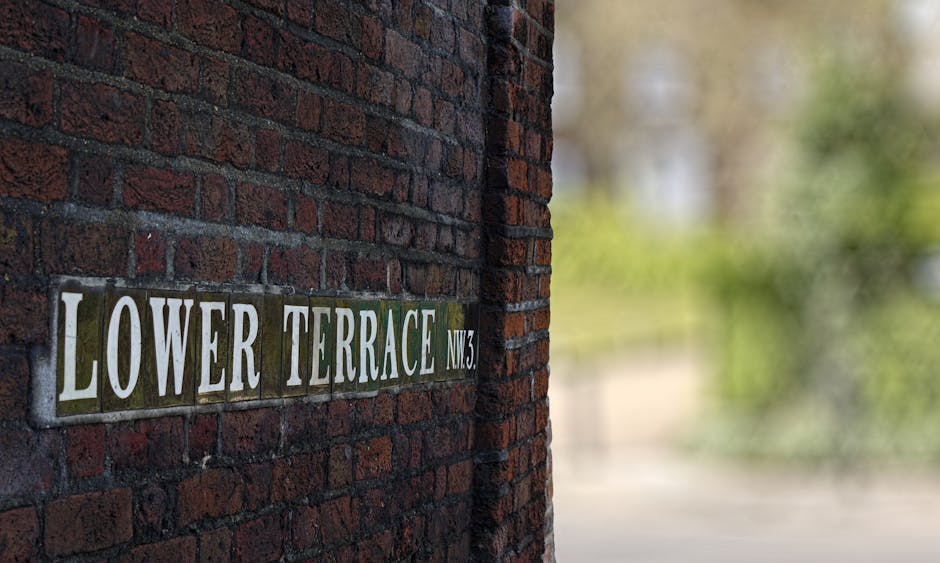
Chelsea in west London is closely associated with the River Thames, the King’s Road and a long history of residential development that has left it with a varied built environment. The area takes in elegant terraces, garden squares and later mansion blocks, alongside smaller streets that reveal different phases of expansion and rebuilding. Its riverside setting has shaped parts of the district for centuries, while the inland streets show the influence of Georgian and Victorian town planning. Much of Chelsea’s character comes from the contrast between formal urban streets and quieter pockets of enclosed greenery. The Royal Hospital Chelsea, founded in the late seventeenth century, remains one of the area’s best-known landmarks and reflects the district’s long institutional history. Nearby, the Chelsea Physic Garden is another notable place, valued for its scientific and horticultural heritage and for the unusual range of plants it contains. The King’s Road has evolved from a royal route into a major commercial street, but it still carries a sense of place through its architecture and changing frontage patterns. Chelsea also sits within easy reach of the Thames Path and the river embankment, where views, bridges and waterside landmarks help define the wider setting. Despite its central London location, the area includes many quiet streets, private gardens and communal green spaces that contribute to its distinctive atmosphere. Cultural associations remain strong too, from the annual Chelsea Flower Show to the area’s links with design, art and fashion. The result is a district where historic fabric, horticulture and urban living sit close together in a way that is both refined and recognisable.
Attention to detail in every part of the garden
Maintenance work is often most effective when the small finishing touches are done well. Edges, corners, plant supports, fallen debris and uneven growth all affect how a garden feels when you step into it. Our service is aimed at those visible details as much as the larger tasks, because a garden can be technically tidy yet still look unfinished if the edges are rough or the planting is left to sprawl. Careful finishing gives the whole space a more deliberate appearance.
We can also pay attention to the relationship between different surfaces and features. For example, a lawn may need edging against paving, while beds may need a clear line against gravel or a fence base. If a garden contains several textures and materials, the maintenance approach should reflect that mix rather than treating every area the same way. This is where thoughtful judgment matters, especially in gardens where the planting has been established over time and should not be cut back too aggressively.
If you are unsure how much work a garden needs, start with the areas that are most visible or most difficult to keep under control. That usually gives the clearest starting point for planning the visit. When you are ready, a plain request for a quotation is enough to begin. Contact us to request a quotation.
Keeping outdoor spaces manageable through the seasons

Seasonal change affects every garden differently, but regular maintenance helps the space stay usable and balanced throughout the year. In spring, growth can become dense quickly and need shaping before it spreads too far. In summer, mowing, edging and selective trimming keep the garden looking structured. In autumn, leaf clearance and general tidying become more important. In winter, the focus may shift to reducing clutter and keeping structural features visible.
A sensible maintenance routine takes those changes into account rather than applying the same work at the same time every month. That might mean giving more attention to pruning at one stage and more emphasis to debris removal at another. The aim is not to make every part of the garden look identical, but to keep the overall composition clear and workable. A good routine prevents the garden from sliding into catch-up mode, where everything has to be handled at once.
Where a garden includes both decorative planting and practical access routes, the maintenance plan can prioritise both appearance and everyday use. That may involve keeping steps clear, ensuring paths remain passable and stopping plants from obscuring sightlines or access points. If you want the work framed around regular upkeep rather than an occasional reset, that is a straightforward way to approach the quotation process and plan the level of attention the garden should receive.
Our approach to tidy, practical garden care
Good garden maintenance is built on a steady approach rather than heavy-handed intervention. The work should leave the space easier to manage, not stripped of character or shape. That is why the service is centred on measured pruning, careful mowing, controlled clearance and useful finishing work that supports the planting and layout already in place. The result should feel tidy, usable and consistent with the garden’s design.
We also understand that not every task belongs on every visit. Some gardens need repeated mowing and edging, while others need occasional hedge trimming or border attention. By matching the work to the condition of the space, it is easier to avoid unnecessary disturbance and focus on the tasks that actually improve the garden. That is especially important in established gardens where mature growth and defined structure need to be respected.
View our services overview if you want to see how garden maintenance fits alongside the wider range of garden work. If you already know what your Chelsea garden needs, the next step is simple: ask for a quotation and describe the areas that matter most.
Related garden work and further support

Some gardens benefit from maintenance alone, while others need additional help to bring them back into shape before routine care can really begin. Depending on the site, that may mean combining mowing, hedge trimming, clearance and planting care with more targeted garden work. The benefit of that approach is that the main maintenance tasks can then continue from a stronger starting point, rather than trying to work around debris, uneven growth or neglected edges every time.
Where surfaces or structures are part of the problem, additional garden improvements can also be considered carefully. A worn path edge, tired timber feature or poorly defined boundary may affect how easy the garden is to maintain from one visit to the next. Addressing those issues in a measured way can make routine upkeep simpler and improve the finished appearance. The key is choosing the right combination of work rather than adding unnecessary tasks for their own sake.
Explore garden maintenance if you would like to review the main service again, then use the quotation step to tell us what needs attention. If you are ready to move forward, request a quotation and outline the work you want carried out in your Chelsea garden.