Royal Hospital Chelsea gardeners historic garden care tips
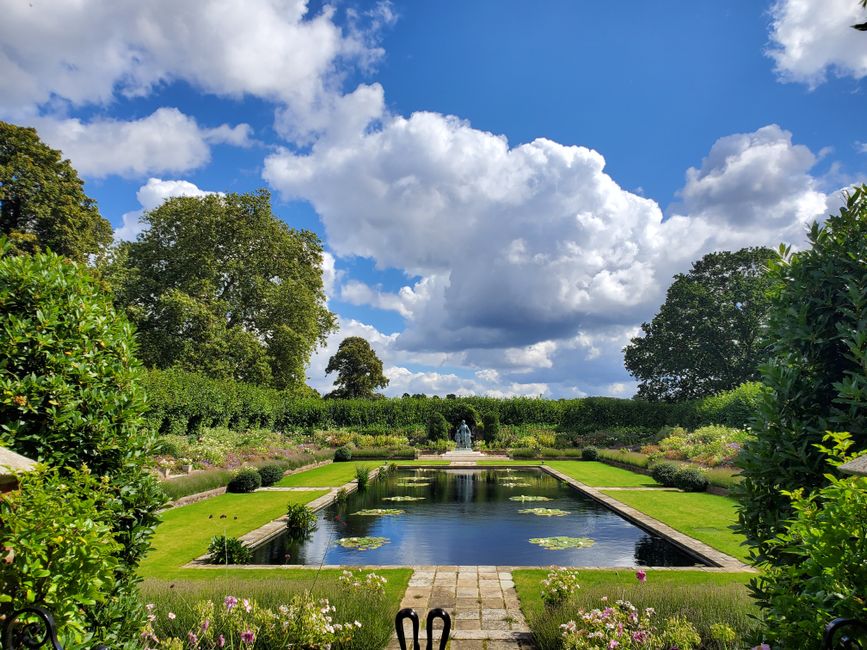
If you have ever walked past a historic garden and thought, "How does it stay this calm, balanced, and beautifully kept?", you are already asking the right question. Royal Hospital Chelsea gardeners historic garden care tips are really about more than neat borders and clipped hedges; they are about preserving character, protecting older planting schemes, and making sure the garden still feels alive rather than museum-like. That balance is trickier than it sounds.
In a place with heritage value, a tidy-looking result is not enough. You need restraint, good timing, and a practical understanding of how plants, soil, paths, and structures age together. The best historic garden care feels almost invisible. Nothing looks overworked. Nothing looks rushed. And yet everything is looked after with care.
This guide breaks down how historic garden maintenance works, what makes it different from standard domestic gardening, which tools and routines help most, and where people often go wrong. If you are responsible for a heritage-style garden, or simply want to borrow the discipline behind the Royal Hospital Chelsea look, you will find a lot here that is genuinely usable.
Table of Contents
- Why Royal Hospital Chelsea gardeners historic garden care tips Matters
- How Royal Hospital Chelsea gardeners historic garden care tips Works
- Key Benefits and Practical Advantages
- Who This Is For and When It Makes Sense
- Step-by-Step Guidance
- Expert Tips for Better Results
- Common Mistakes to Avoid
- Tools, Resources and Recommendations
- Law, Compliance, Standards, or Best Practice
- Options, Methods, or Comparison Table
- Case Study or Real-World Example
- Practical Checklist
- Conclusion
- Frequently Asked Questions
Why Royal Hospital Chelsea gardeners historic garden care tips Matters
Historic gardens are different because they carry memory. Not the poetic kind only, though that is part of it. They also carry planting choices, layout decisions, mature trees, old soil structure, worn paths, and the habits of many gardeners before you. When people talk about care in this setting, they usually mean keeping that layered character intact while still making the space functional, safe, and attractive.
That is why Royal Hospital Chelsea gardeners historic garden care tips matter so much. A modern garden can sometimes be refreshed with a heavy hand: new turf, new beds, a few replacements, job done. A historic setting asks for something subtler. You have to preserve the bones of the place. If a shrub has been there for years and helps frame an avenue, for example, you do not simply cut it back because it looks a bit shaggy on a Tuesday morning. You consider structure, season, nesting birds, flowering cycles, and whether the garden would lose its rhythm if you were too eager.
There is also the issue of public expectation. Heritage gardens often live under more scrutiny than private plots. Visitors notice the edges, the symmetry, the health of the lawns, and whether the planting feels coherent. One patch looking tired can throw off the whole scene. It is a bit unforgiving, to be fair.
And then there is longevity. Historic garden care is not just about today's appearance. It is about reducing avoidable damage over time. Repeated over-pruning, compacted soil near roots, poor drainage, and harsh maintenance cycles all add up. The best gardeners think in years, not just weekends.
If your work includes broader garden upkeep rather than only heritage gardens, the principles still help. Good routine maintenance, thoughtful clearance, and controlled trimming all support healthier outdoor spaces. For structured help, many readers also look at garden maintenance services and related seasonal care options that keep work consistent rather than reactive.
How Royal Hospital Chelsea gardeners historic garden care tips Works
The method is straightforward in theory and quite demanding in practice. Historic garden care works by combining observation, restraint, timing, and repeatable routines. You do not force the garden into shape. You guide it.
Think of it as three layers:
- Preservation - protecting original or long-established features such as paths, boundaries, tree lines, and the overall layout.
- Maintenance - regular tasks such as mowing, deadheading, edging, weeding, sweeping, and pruning at the right moment.
- Renewal - careful replacement, soil improvement, and restoration when areas become tired, damaged, or unsafe.
That sounds tidy on paper, but the work itself is responsive. A historic border may need light support rather than a full replant. An old hedge may need shaping over several seasons, not one brutal cut. A lawn in shade may need a different approach to mowing height and feeding compared with a sun-baked square of turf. Small differences matter. They really do.
The best historic gardeners also keep records, even simple ones. What was pruned in early spring? Which bed was lifted and divided? Which tree showed stress after a dry spell? This kind of note-taking sounds dull until it saves you from repeating a mistake. Then it becomes priceless.
Another key point: you need to understand what not to touch. In heritage settings, over-intervention is one of the biggest risks. A garden can lose its maturity faster than you expect if every season becomes a redesign exercise. A careful hand is not laziness. It is professional judgement.
For jobs that go beyond routine maintenance, such as reshaping a wider outdoor scheme or planning a more structured approach, landscape gardening support and landscaping services can help maintain coherence while respecting the existing character of the site.
Key Benefits and Practical Advantages
Historic garden care offers benefits that are both visible and quiet. Visitors notice the visual order first. Owners and caretakers notice the reduced wear and fewer crisis jobs later.
- Protects historic character - the layout, planting rhythm, and aged features remain recognisable.
- Improves plant health - carefully timed pruning and soil care support stronger growth.
- Reduces long-term repair costs - regular intervention prevents bigger problems from building up.
- Maintains safety - clear paths, stable borders, and well-managed trees reduce avoidable hazards.
- Creates a calm visual standard - the garden feels intentional rather than messy or overmanaged.
- Supports biodiversity - selective, thoughtful maintenance can leave room for pollinators and nesting life where appropriate.
One of the quieter advantages is morale. A well-tended historic garden simply feels different to work in. It is easier on the eye, more pleasant for visitors, and less stressful for the team. There is a rhythm to it. You can hear it in the clipped shears, the light scrape of a rake, the low hum of routine. Small thing, maybe. But these small things are the whole point.
For practical upkeep beyond the ornamental side, services such as lawn mowing, hedge trimming, and tree lopping and removal can support the broader structure of a historic-style landscape when used carefully and with appropriate judgement.
Who This Is For and When It Makes Sense
This approach is for anyone responsible for a garden where appearance, heritage, and continuity matter. That includes estate managers, grounds teams, heritage volunteers, institutional caretakers, and private owners trying to preserve an older style rather than reinvent it every year.
It also makes sense if your garden includes mature trees, established hedges, older paving, formal beds, or a layout that feels tied to a period aesthetic. In those settings, general gardening advice is not always enough. You need a little more discipline, and a lot more patience.
It may be especially useful when:
- the garden has mature planting you do not want to disturb unnecessarily;
- the soil is compacted or exhausted from years of repeated use;
- you need to manage access routes without spoiling the design;
- you are balancing public presentation with practical upkeep;
- you are deciding whether to restore, replace, or simply maintain.
Truth be told, many gardens do not need a grand redesign. They need a steadier routine. That is often where people feel relieved. Less drama, more consistency. If that sounds familiar, you are in the right place.
When a site has a lot of debris, old growth, or neglected corners, starting with garden clearance can be the right first move before careful maintenance begins. No point polishing a space that still needs clearing, is there?
Step-by-Step Guidance
If you want a working framework for historic garden care, start with this sequence. It is practical, repeatable, and flexible enough to adapt to the season.
1. Walk the garden properly
Do not rush the first inspection. Walk slowly. Look at the structure from different angles. Notice where the eye is drawn, where growth feels heavy, where the paths narrow, and where water sits after rain. Early morning or late afternoon light often reveals problems that midday gloss hides.
2. Separate structure from surface clutter
Ask what is part of the garden's identity and what is just temporary mess. Fallen leaves in autumn may be seasonal and useful. A collapsed edge or invasive weed spread is another matter. This distinction saves time and prevents over-cleaning.
3. Make a priority list
Work in this order:
- Safety issues, such as unstable branches or blocked paths.
- Plant health issues, such as disease, drought stress, or congestion.
- Visual corrections, such as edging, deadheading, and light pruning.
- Longer-term work, such as soil improvement or replanting.
4. Use the gentlest effective method
If a task can be done by hand rather than by machine, that is often better in a historic setting. If a hedge needs shaping, take a little less than you think. If a border needs lifting, protect surrounding roots and avoid unnecessary disturbance.
5. Time the work to the plant, not just the calendar
The calendar is a guide, not a command. Some shrubs respond well after flowering; some trees should be left alone during sensitive periods; some lawns need more frequent attention during growth spurts and almost none when the ground is waterlogged. Matching the method to the living material is a huge part of the job.
6. Finish with a clean, honest review
Step back. Does the garden still feel like itself? Have you sharpened the edges without making the place look stripped bare? That final check matters more than many people admit. A good historic gardener knows when to stop. Slightly before the urge to keep tidying takes over.
Expert Tips for Better Results
Here is where small habits make a big difference.
Work in layers, not big gestures. Historic gardens usually respond better to frequent light attention than occasional heavy sessions. A little weeding, a little edging, a little pruning. It adds up.
Respect root zones. A tree's canopy may show where to stand clear, but the root system can extend much further than people expect. Repeated soil compaction from foot traffic or tools can slowly weaken older trees. It is one of those hidden problems that creeps up quietly.
Keep old and new visually honest. If you introduce replacements, do not force them to imitate maturity overnight. Let newer planting settle naturally. A garden that looks too staged can feel oddly flat.
Use hedges as structure, not prison walls. Trim for shape and light, not just uniformity. Historic hedging often works best when it holds a line without becoming severe.
Be careful with feeding. More fertiliser is not automatically better. In older gardens, excessive feeding can create soft, untidy growth that needs more cutting and may upset balance.
Think about the sensory experience. What do people hear, smell, and see as they move through the space? A properly cared-for historic garden should feel calm underfoot, not noisy with loose gravel or awkward trimming residue.
And one more thing. Do not let your pride outrun the site. A lot of overwork begins with good intentions and a pair of very determined hands. We have all seen it.
If sustainability matters in your approach, it can help to use services and methods that reduce waste and support responsible handling of green material. The team information at recycling and sustainability is worth considering if you are planning ongoing upkeep rather than one-off intervention.
Common Mistakes to Avoid
Most problems in historic garden care do not start with disaster. They start with small, repeated choices.
- Over-pruning - cutting too much at once can damage shape, flowering, and long-term health.
- Ignoring seasonality - doing the right task at the wrong time can still stress the plant.
- Using harsh machinery everywhere - fast is not always better, especially near older features.
- Treating every patch equally - lawns, borders, hedges, and mature trees all need different care.
- Letting debris linger - fallen material can hide pests, disease, or slip hazards if it is left too long.
- Replacing before repairing - sometimes a plant or path needs conservation, not removal.
- Forgetting access and safety - beautiful gardens still need clear routes and sensible working practices.
Another common one is confusion between tidiness and health. A garden can look extremely neat and still be in trouble. Hard pruning, overcleaned beds, and over-frequent mowing can all create a short-lived sense of order while quietly weakening the site. That is a sneaky problem, honestly.
Where jobs involve ladders, heavy branches, slippery surfaces, or powered equipment, safety planning should never be an afterthought. If a team is working on site, reviewing health and safety policy guidance and insurance and safety information is a sensible part of the process.
Tools, Resources and Recommendations
The best toolkit for historic garden care is simpler than people think. Fancy gadgets are not the answer. Reliable, well-kept tools are.
Practical tools
- hand shears for controlled shaping;
- sharp secateurs for precise cuts;
- rakes for leaves and light debris;
- spades and border forks for careful soil work;
- lawn edging tools for neat transitions;
- soft ties and supports for protecting stems;
- barrows or baskets for moving green waste cleanly.
Useful working habits
- clean tools after use to reduce spread of disease;
- sharpen blades regularly, because blunt cuts bruise plants;
- store notes about flowering, pruning, and recovery;
- keep paths and access points clear before starting bigger jobs;
- leave enough time for inspection after each major maintenance round.
For broader upkeep, it helps to think in service categories rather than isolated tasks. A historic site may need a combination of lawn mowing, hedge trimming, and occasional tree lopping and removal to keep the space balanced. That combination is often more effective than a single dramatic intervention.
If you are comparing service scope, the services overview can help you think through which tasks belong together and which should stay separate. Handy, especially when a site is a bit more complex than it looks from the gate.
Law, Compliance, Standards, or Best Practice
In a historic or heritage-sensitive setting, compliance is less about bureaucratic box-ticking and more about working safely, responsibly, and respectfully. The exact obligations will vary depending on the site, ownership, public access, and the type of work being carried out. So it is best to stay cautious rather than overstate anything.
In practical terms, a good approach usually includes:
- clear risk assessment before using machinery or working at height;
- care around public access points and trip hazards;
- consideration of wildlife, nesting activity, and seasonal disturbance;
- careful handling of waste and green material;
- appropriate insurance where professional work is involved;
- keeping work within the limits of the site's design intent and maintenance plan.
Historic gardens may also require more restraint than modern landscaped spaces. Even when there is no formal heritage order in play, the best practice is still to avoid unnecessary change. If a feature can be preserved safely, preserve it. If it must be altered, do so in the least disruptive way that still solves the problem.
For those commissioning work, clear terms and payment handling matter as well. It is sensible to review terms and conditions and payment and security information before agreeing any ongoing maintenance programme. That just avoids awkwardness later. Nobody enjoys surprises on invoices or expectations.
Options, Methods, or Comparison Table
Different gardens need different levels of intervention. Here is a simple comparison that helps frame the choice.
| Approach | Best for | Strengths | Watch-outs |
|---|---|---|---|
| Light-touch maintenance | Well-established historic gardens | Protects character, avoids overwork, keeps the space calm | Needs consistency; can be slow if problems are already advanced |
| Seasonal restoration | Gardens that have drifted out of shape | Improves structure and tidiness without full redesign | Requires good judgement to avoid losing original features |
| Full landscape refresh | Severely neglected or functionally outdated areas | Allows major improvement and safer access | Risk of losing historic character if not carefully planned |
There is no universal winner here. The right choice depends on the garden's condition, its historical value, and how much change it can comfortably absorb. In a living heritage environment, the least dramatic option is often the smartest one. Not always, but often.
If you need support identifying the right balance, broad planning through landscape gardening or a more defined landscaping approach can help shape the brief without pushing the garden into something unrecognisable.
Case Study or Real-World Example
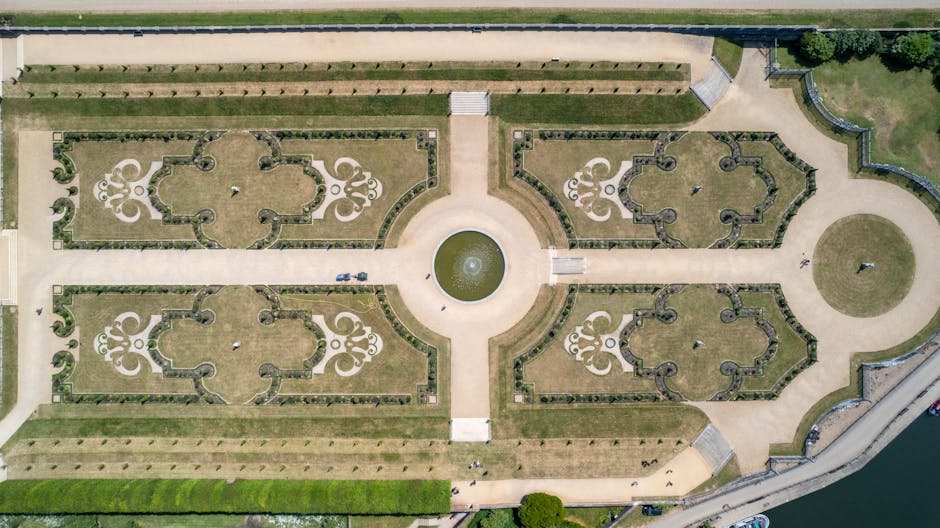
Imagine a walled formal garden that has beautiful bones but has gradually become uneven. The hedges are slightly too broad, the lawn edges have blurred, the border plants are crowded, and a mature tree casts more shade than it used to. Nothing is broken, exactly. But the whole place feels a bit tired.
A sensible historic-care response would not start with a redesign. It would start with observation and phased work. First, the team would clear debris, check access, and map the areas needing attention. Then they would carry out careful hedge trimming, lift the lawn edges, reduce congestion in the border, and remove only the dead or structurally weak growth from the tree canopy. They might improve soil in selected spots, rather than the whole garden at once, and review the result after a few weeks.
The key thing is that the garden would still feel like itself. The geometry would read more clearly, the planting would breathe, and the space would be easier to care for next month and next year. That is the real win. Not flash, but continuity.
We have seen situations where one restrained maintenance cycle made a site look as though it had "come back into focus." Nothing dramatic. Just thoughtful work, done at the right pace. And that usually matters more than people first expect.
Practical Checklist
Use this as a quick reference before and during maintenance work.
- Walk the site and note any safety issues first.
- Identify historic features that should not be altered unnecessarily.
- Check the season before pruning, cutting, or dividing plants.
- Prioritise plant health before cosmetic tidying.
- Use hand tools where precision matters.
- Keep access routes clear for people and equipment.
- Remove only what needs removing.
- Record what was done and when.
- Review the results after the work settles.
- Plan the next visit before the garden slips backwards.
Expert summary: the best historic garden care is patient, selective, and repeatable. If you can keep the original feel of the space while quietly improving structure, health, and safety, you are doing it right. That is the sweet spot.
Conclusion
Royal Hospital Chelsea gardeners historic garden care tips come down to a simple idea: preserve what gives the garden its identity, and intervene only as much as needed to keep it healthy, safe, and coherent. That takes more judgement than force. More listening than showing off. And a fair bit of consistency, which is the unglamorous part nobody puts on a postcard.
Whether you are managing a formal heritage garden, a mature private plot, or a space that just deserves better treatment, the same principles apply. Work gently. Plan seasonally. Respect structure. Stay observant. The garden will tell you, sooner or later, what it needs.
Get a free quote today and see how much you can save.
And if the work feels a little daunting, that is normal. Historic gardens can be demanding, but they are also deeply rewarding. Care for them well, and they give the feeling back in spades.
Frequently Asked Questions
What makes historic garden care different from regular garden maintenance?
Historic garden care focuses more on preserving existing structure, character, and planting rhythm. Regular maintenance often aims mainly at neatness and function, while historic care also considers legacy, layout, and the risk of over-altering the site.
How often should a historic-style garden be maintained?
It depends on the garden's size, planting density, and public use, but regular light-touch visits are usually better than occasional heavy work. A consistent routine helps prevent the kind of overgrowth that forces drastic cuts later.
Can I use the same tools for historic gardens and modern gardens?
Some tools are the same, but historic gardens usually benefit more from hand tools and precise equipment. That gives you better control and reduces the chance of damaging older plants, borders, or edging.
Is hedge trimming safe for older, formal gardens?
Yes, but it should be done carefully and at the right time. Historic hedges often define the garden's structure, so the aim is to shape gently rather than force a severe or uniform look that strips away character.
What is the biggest mistake people make in heritage garden care?
Over-intervention. People often assume a tired-looking garden needs a big reset, when in fact it may only need measured pruning, better soil care, and a more disciplined schedule. Less is often more.
How do I know whether to restore or simply maintain a garden?
If the layout and planting are still fundamentally sound, maintenance may be enough. If access, health, or structure have broken down, a staged restoration may be better. A site walk and priority assessment usually make the answer clearer.
Should old trees in a historic garden always be left alone?
No. Old trees need monitoring and sometimes professional intervention, especially if there are dead limbs, disease, or safety concerns. The key is to intervene carefully and only when necessary, not to ignore the tree altogether.
What should I do before starting work in a historic garden?
Inspect the site, note any risks, identify features you need to protect, and set out the work order. It is also sensible to think about waste handling, access, and whether any part of the job needs special care or specialist help.
Are lawn mowing and edging important in historic gardens?
Very much so. Lawns and edges often shape the visual order of the entire space. If they are neglected, the whole garden can feel untidy even when the planting is healthy.
How do I avoid making a historic garden look too modern?
Keep changes subtle, preserve established lines, and avoid introducing overly sharp or contemporary features unless they genuinely belong. Try to work with the existing design language rather than replacing it.
Do historic gardens need different waste-handling practices?
Often, yes. Green waste should be removed or recycled carefully so it does not damage access, encourage pests, or clutter the site. Responsible handling also helps keep the garden tidy without unnecessary disruption.
Where should I start if the garden is badly overgrown?
Begin with clearance, safety, and a proper assessment. Once the site is readable again, you can move into maintenance, selective pruning, and longer-term restoration. Starting too aggressively usually makes the job harder, not easier.
If you want to explore the wider company background before choosing support, you can also review about us and contact us for more details on how to take the next step.